Connecting the dots: music, grit, diplomacy and blockchain
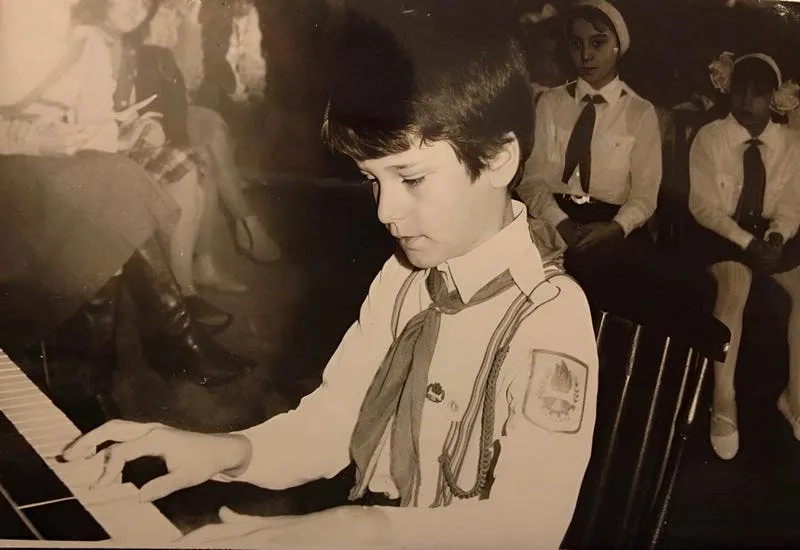
Music played an important role in my childhood
Both of my parents are musicians. So, it came naturally for me as a child that grew up surrounded by music, to start playing the piano from the age of 5. My parent’s dream was for me to become a professional piano player, like Dan Grigore.
And that’s how I ended up spending my childhood playing the piano up to 10 hours a day, winning various prizes, and making my parents proud. Sometimes I used to catch a glimpse of my friends playing and laughing outside of my apartment window, just to quickly return to playing Bach, Mozart or Chopin.
Later, in my teenage years, I realized that I was on a path that I did not choose for myself, so I decided there and then to always follow my dreams.
But doing something for hours every day to achieve greatness, taught me the power of grit, and I think the resolve I have today started then, upon realizing that if I set a goal, work for it daily with determination and not give up, positive results will follow.
I just needed to remind myself that greatness comes with a cost: time. There’s a limit to how many things you can work on at once and excel at the same time (unless you’re Elon Musk, of course 😀).
It took me fifteen years after finishing high school to ever touch a piano again. But this time I did it on my terms. Instead of playing classical music in concert halls, I wanted to join a band, playing the keyboards at rock concerts in stadiums.
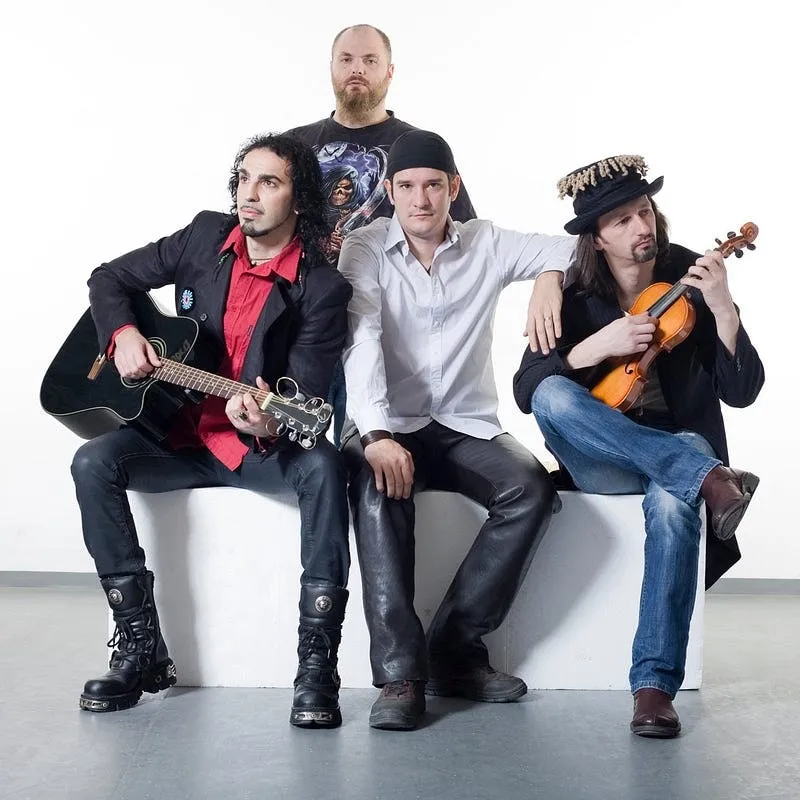
Living my childhood dream with the Hara rock band
So, I joined the Hara rock band in 2010 and for a year I went on tour with them, experiencing the joys of life as a rock band musician, fulfilling my childhood dream.
After that, I resumed my relationship with the piano and nowadays, I casually play just for fun.
One evening, in the fall of 2021, I got invited to a private dinner at the residence of His Excellency Andrew Noble, HM Ambassador of the United Kingdom to Romania. After an interesting discussion about technology and diplomacy, I sat at the piano and played Yann Tiersen’s Porz Goret. It felt natural and the audience was delighted.
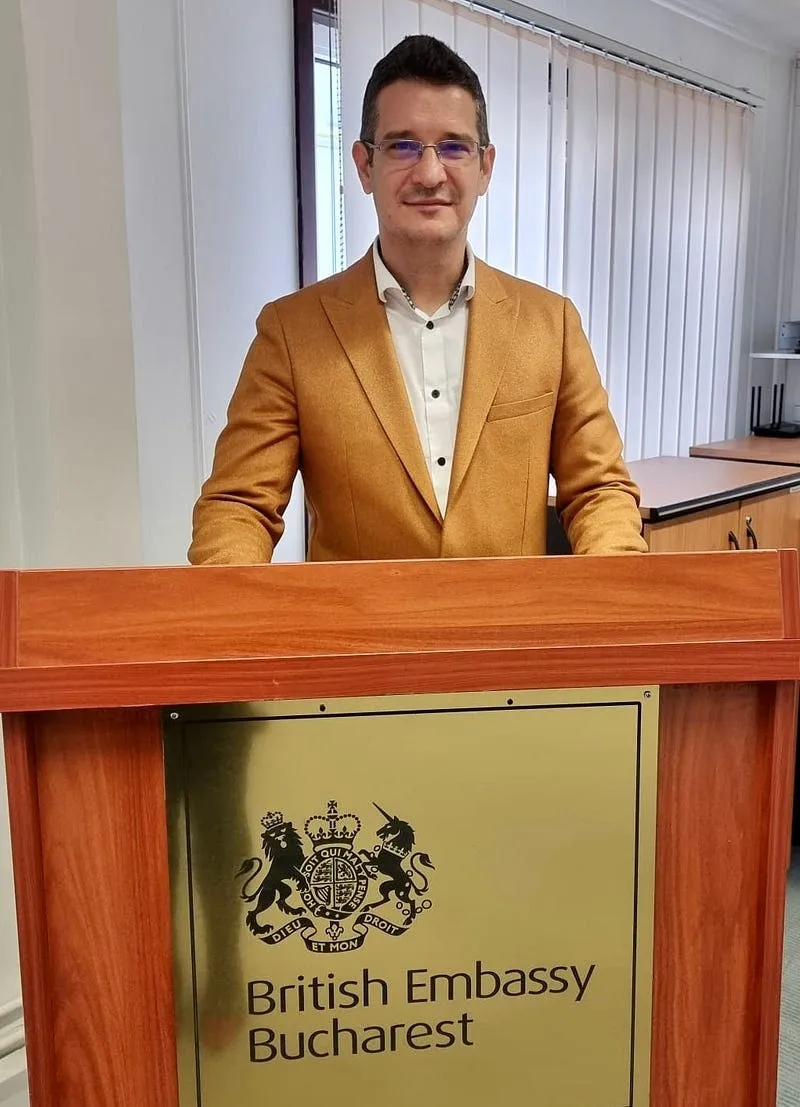
Blockchain and diplomacy presentation at the British Embassy in Bucharest
A few days later I had the honor to talk about blockchain and digital diplomacy at the British Embassy in Bucharest, creating a bridge between the tech world and the public sector.
I don’t think my piano performance had anything to do with the presentation at the Embassy, however talking about the things I love in front of select audiences, resembles the joys of performing at concerts. And the thrill and excitement that comes while establishing the performer–audience connection is something that I deeply value.
In 2016, I cofounded SoundFeed, a music licensing platform that plays an important role in the music industry, helping independent artists and labels to streamline their licensing processes and expand to new territories.
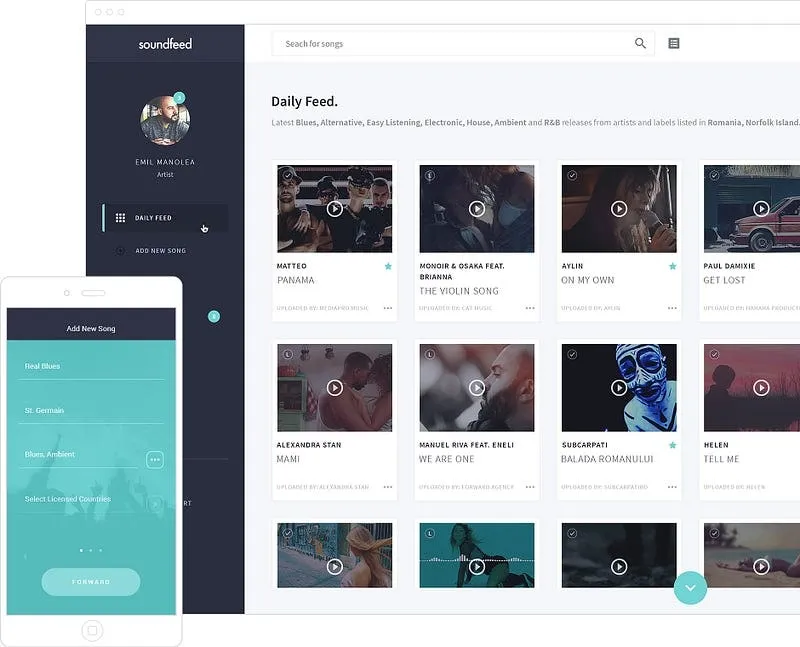
The SoundFeed dashboard
No, we do not use blockchain (yet), as the music industry’s biggest issues are not to be solved with blockchain or NFTs.
Unfortunately, blockchain alongside AI and big data, became the Swiss knife of any problem, ranging from traceability to democracy.
However, before adding transparency, trust, and decentralization layers to any problem, there are a few questions to be answered:
Could this problem be solved without using a blockchain?
Is blockchain solving a major pain point for the industry?
Is decentralization needed? (see today’s ongoing Twitter files saga)
If you ask your users “do you need transparency, trust, and decentralization”, what is their honest answer?
Is a private, permissioned blockchain a real blockchain?
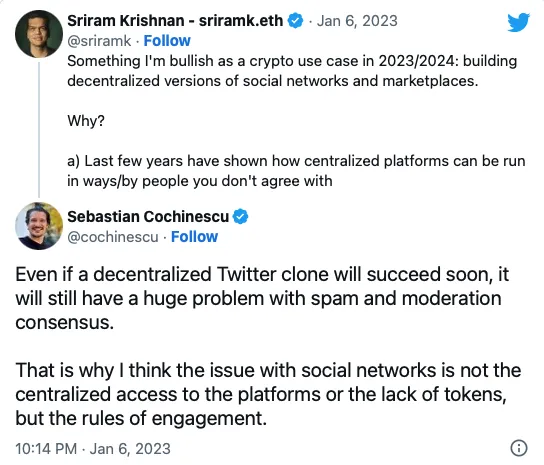
My Twitter post on decentralization
So before jumping into the hype wagon, we decided to focus on extinguishing existing fires in the music industry, such as access to data, streamlining the music licensing flow, or worldwide distribution in one click.
As much as I would love to see widespread blockchain adoption, I think the narrative “let’s ride the hype to get higher valuations for startups or get a bigger corporate budget” is not going to help.
I strongly believe that blockchain can and should empower people through technology, however, the last three bull cycles proved that we have a long way to go until the vision of Satoshi Nakamoto will be fulfilled:
The adoption of a public system for electronic transactions that are not relying on centralized trust.
If you found this story valuable, you may enjoy my content on the platforms below:
Youtube Channel: https://youtube.com/@SebastianCochinescu
Podcast Page: https://podcast.cochinescu.com
Medium: https://blog.cochinescu.com
Newsletter: https://www.cochinescu.com