OpenAI’s ChatGPT and the rise of Artificial General Intelligence (AGI)
It was a grim Eastern European winter back in 1992 when I found myself holding a big bag full of cables and equipment in my uncle’s flat at the winter holidays family gathering. In the bag, there was a dismantled ZX Spectrum clone called HC-90.

Computers, music and that “flower power” vibe
I just wrote a new game in BASIC and I was eager to show my family what I have achieved. It was a simple piece of software that was emulating a conversation with a human being on a computer screen. Well, it was not a proper computer screen, but just a tiny black and white TV that I plugged the computer into.
I programmed a list of predefined generic answers, including some jokes and specific personal details about my family members among them, so I vividly remember the surprise and excitement on their faces when they discovered that they were able to have a conversation with an “intelligent” computer for the first time, while suspending their disbelief. A few years later this kind of program would get a name that was used since the 1960’s in the academic world: the chatbot.
I love the concept of suspension of disbelief, as it perfectly conveys our need to be lied to, in order to fully immerse ourselves into stories and enjoy art.
And then a dilemma popped into my 13-year-old geek mind: was it the software that got my family excited, or was it just their minds playing tricks on them?
21 years later, fast forwarding to 2013, I remembered this story and the marvel on their faces, so I decided to code a chatbot as an Apple mobile app. It was called “Chat with Jenna” and it provided simple answers to generic questions that were triggered by specific keywords using regex.

The “Chat with Jenna” chatbot iOS app
To my surprise, the app was a hit and got more than 100,000 downloads worldwide. And once more the question lingered in my head: was it the technology or the suspension of disbelief that made the app popular? What human need was somehow fulfilled by some pixels on a smartphone screen and a few lines of specially crafted text that answered that need?
This question still puzzles me today and I think there might be an obvious answer: a bit of both — the technology and our minds playing tricks on us.
And now is the time to highlight that in the late fall of 2022, OpenAI’s ChatGPT 3.5 was released. If you have not heard about it yet, you will for sure interact with this technology maybe without your knowledge in 2023, as more and more articles, social media posts and even movie scripts will be written using it.
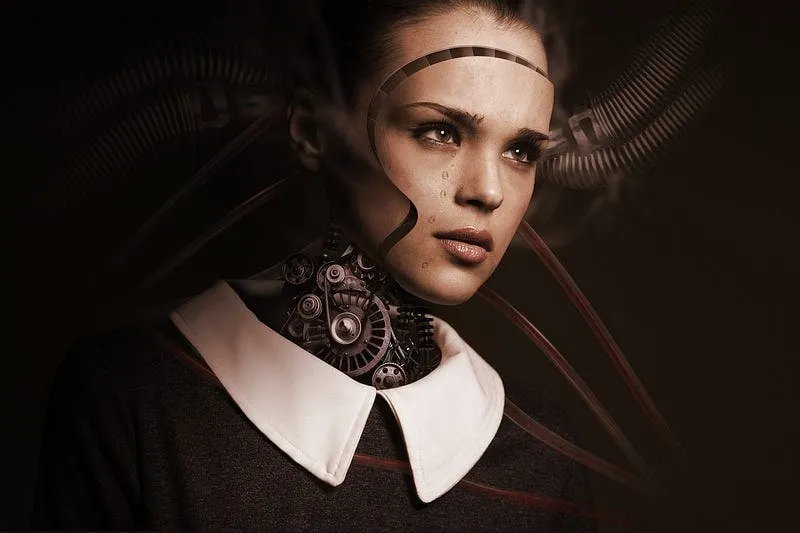
Image by 0fjd125gk87 from Pixabay
The new version of ChatGPT 4.0 that will be released soon is supposed to pass with flying stars the Turing test, which means we will not be able to spot a difference between a conversation with a human being and a “computer”.
And this would be only the beginning of the rise of Artificial General Intelligence (AGI), the inflection point that may render humans useless. Imagine a world where everything that you may think, conceptualize, create, or feel can be performed better by a “robot”.
What would be your purpose then?
I can’t even grasp the answer to this question, but I think we’re about to live in even more interesting times, as the rise of chatbots might be just a glimpse of what lies ahead.
If you found this story valuable, you may enjoy my content on the platforms below:
Youtube Channel: https://youtube.com/@SebastianCochinescu
Podcast Page: https://podcast.cochinescu.com
Medium: https://blog.cochinescu.com
Newsletter: https://www.cochinescu.com